
Chair yoga is a beautifully accessible way to enjoy the benefits of yoga, without needing to get down onto the floor or move in ways that don’t feel right for your body. At Stretching Stars, chair yoga is all about gentle movement, mindful breathing and feeling supported — physically and emotionally — every step of the way.
Whether you’re new to movement, returning after a break, or simply looking for a kinder way to stay active, chair yoga meets you exactly where you are.
What Is Chair Yoga?
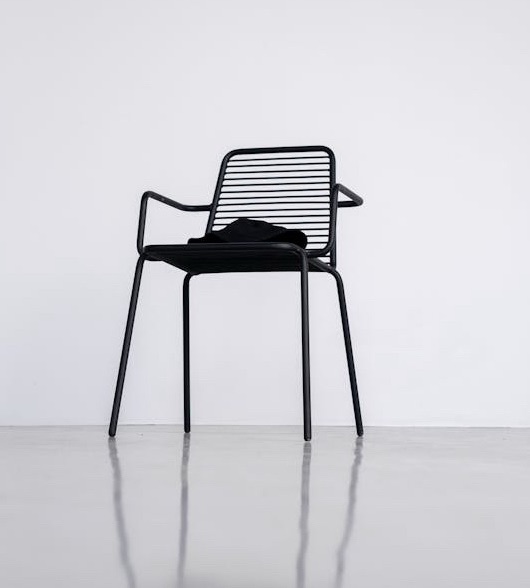
Chair yoga adapts traditional yoga poses so they can be done seated on a chair or using the chair for support. The chair becomes a steady base, helping with balance, confidence and comfort.
Movements are slow, controlled and purposeful, making them suitable for a wide range of abilities. There’s no pressure to push or perform — everything is offered as an invitation, not a demand.
How Chair Yoga Supports Your Body
Chair yoga works by gently encouraging movement in a safe and supported way.
Each session typically includes:
– Gentle stretches to ease stiffness in the neck, shoulders, back and hips
– Small, controlled movements to support joint mobility
– Light strengthening using your own body weight
– Balance awareness, always with the chair close by
Because the movements are low-impact, they’re kinder on joints while still helping to maintain strength, flexibility and circulation. Over time, these small movements can make everyday tasks feel easier and more comfortable.
The Role of Breath and Awareness
Breathing plays a key role in chair yoga. Simple, guided breathing helps to:
– Calm the nervous system
– Reduce feelings of stress or tension
– Encourage focus and presence
By linking breath with movement, chair yoga helps you tune into your body — noticing how you feel, what you need and when it’s time to rest.
Gentle Meditation Within Each Session
Alongside movement, Stretching Stars chair yoga sessions often include a short, guided meditation or moment of stillness.
This may be:
– A few quiet minutes focusing on the breath
– A body awareness scan to encourage relaxation
– A calming visualisation to help the mind settle
These moments are simple and optional, offering time to pause, rest and reset. Meditation in chair yoga isn’t about “clearing your mind” — it’s about creating space to breathe, notice and feel supported, just as you are.
Many participants find this quiet time just as valuable as the movement itself.
Moving at Your Own Pace
One of the most important ways chair yoga works is by giving you choice.
You’re encouraged to:
– Move slowly
– Take breaks whenever needed
– Skip anything that doesn’t feel right
– Adapt movements to suit your body
There’s no “keeping up” and no comparison. Every body is different, and every session honours that.
More Than Just Physical Movement
While chair yoga gently supports the body, it also offers emotional and mental benefits.
Many people find that regular practice:
– Boosts confidence in movement
– Improves mood
– Encourages relaxation
– Creates a sense of routine and self-care
At Stretching Stars, chair yoga is also about connection — feeling welcomed, supported and part of a caring community.
A Gentle Way to Keep Moving
Chair yoga works because it focuses on what you can do, not what you can’t. It offers a kind, inclusive way to keep moving, breathe deeply and reconnect with your body — all from the comfort of a chair.
Wherever you’re starting from, chair yoga invites you to move gently, listen to your body and enjoy the moment.
Simple Chair Yoga Example: Seated Shoulder & Breath Release
This gentle movement can be done anytime during the day and is often included in Stretching Stars sessions.
– Sit comfortably on your chair with both feet flat on the floor
– Rest your hands on your thighs –
Take a slow breath in through your nose
– As you breathe out, gently lift your shoulders up towards your ears
– On your next breath out, slowly roll the shoulders back and down
– Repeat 3–5 times, moving at your own pace
Optional: Close your eyes for one final breath and notice how your shoulders feel.


